Ereignisse zeitlich einordnen und darstellen (Grundschule, 1.-2. Klasse)

TT
by to-teach Team
3 pages1.-2. KlasseSocial Studies
Template

Loading preview…

Your worksheet

Enter an aspect related to a person's life. This will be the basis for a report and a respective timeline.

Need an idea?

Popular topics from other teachers

How our AI templates work

  • Content gets adapted

    Examples, texts and tasks match your focus.

  • Method & structure stay

    The didactically reviewed structure of the template won't change.

Description

Zielsetzung: Das übergeordnete Lernziel des Arbeitsblattes ist es, Schüler:innen beizubringen, Ereignisse zeitlich einzuordnen und darzustellen. Es soll ihnen helfen, ihre frühesten Erinnerungen zu reflektieren und einen Tagesablauf zu strukturieren.


Inhalte und Methoden: Das Arbeitsblatt behandelt die Reflexion der frühesten eigenen Erinnerung mit Fragen zum Alter, zum Ereignis selbst und zur emotionalen Einordnung. Des Weiteren wird das zeitliche Einordnen von Ereignissen anhand eines Audio-Berichts geübt, dessen Inhalt auf einer Zeitleiste sortiert werden soll. Ein weiterer Schwerpunkt ist das Ordnen von Bildern eines Tagesablaufs in die richtige Reihenfolge und das anschließende Beschreiben dieses Ablaufs. Methodisch kommen Selbstreflexion, Zuhören (via QR-Code für Audio-Inhalt) und das gemeinsame Einordnen von Ereignissen sowie das Sortieren und Beschreiben von Bildabläufen zum Einsatz.


Kompetenzen:

  • Zeitliche Einordnung von Ereignissen
  • Reflexion und Beschreibung persönlicher Erinnerungen
  • Hörverstehen und Transfer von Informationen auf eine Zeitleiste
  • Strukturierung und Beschreibung von Abläufen
  • Kommunikationsfähigkeit (Teilen von Erinnerungen, Beschreiben von Abläufen)


Zielgruppe und Niveau: 1./2. Klasse
Similar worksheets

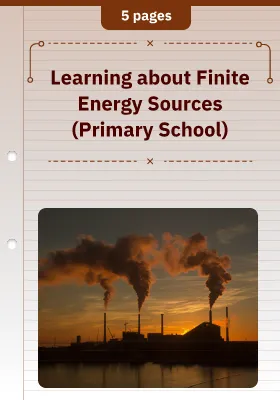
Learning about Finite Energy Sources (Primary School)

Learning about Finite Energy Sources (Primary School)

This worksheet aims to teach students about finite energy sources, specifically on one example, its properties, uses, and the advantages and disadvantages associated with its use.


Content and methods: The worksheet defines finite energy sources and provides specific examples. It then focuses on one example of a finite energy source, detailing its origin, quantity on Earth, historical use, primary applications, and advantages. Subsequently, it presents its disadvantages, while also highlighting its finite nature. The methods include reading informational texts and filling out a profile for an energy source, followed by questions that prompt critical thinking and class discussion.


Competencies:

  • Reading comprehension
  • Understanding of scientific concepts (finite energy sources, fossil fuels)
  • Analysis of advantages and disadvantages
  • Critical thinking and evaluation
  • Discussion and communication skills


Target group: Primary School


SDGs:

  • 7th goal (“Ensure access to affordable, reliable, sustainable and modern energy for all”): The worksheet introduces the concept of finite energy sources like coal, gas, and oil, while highlighting the importance of looking for cleaner, more sustainable alternatives such as wind and solar power.
  • 13th goal (“Take urgent action to combat climate change and its impacts”): The text discusses how burning coal releases carbon dioxide, leading to global warming and climate change, and emphasizes the need to protect the environment for future generations.

Social StudiesSustainable Development Goals (SDG)